


By Dr. David Bryant, DDS – Denver, Colorado
Cavities are one of the most common dental problems I treat in my Denver practice, yet patients often have fundamental questions about what causes them, how to prevent them, and when they need treatment. In almost two decades treating thousands of cavities, I’ve strived to answer the most frequently asked.
Understanding cavities isn’t just academic – early detection and proper treatment can save you significant pain, time, and money. Whether you’re dealing with a suspected cavity or want to prevent future problems, this comprehensive guide covers everything you need to know.
What Causes Cavities?
Sugar and acid cause cavities. You have bacteria living in your mouth that eat carbohydrates, especially sugar. When they digest that sugar, they create acid as their waste product. When I explain this to kids, I tell them the “sugar bugs are pooping on your teeth, and that poop is dissolving your tooth.” But sugar isn’t the only culprit – direct acid from citrus fruits, sodas, or stomach reflux can also erode enamel.
How Do I Know If I Have a Cavity?
I can tell you if you have a cavity when we examine your teeth and take X-rays, but sometimes larger cavities become noticeable to patients. Small cavities are sneaky – they often don’t hurt until they’re advanced and have reached the tooth’s nerve. In my experience, people usually first notice cavities through sensitivity to cold or sweet foods, visible dark spots, or rough edges they can feel with their tongue. By the time a cavity causes pain, it has progressed significantly, requiring more extensive treatment than a simple filling.
Do Cavities Go Away on Their Own?
No, cavities never go away on their own. Once the acid has created actual tooth structure loss, that damage is permanent without professional intervention. The cavity will continue to grow larger over time, especially if you continue eating carbohydrates and sugars that feed the bacteria. This is why I always tell patients that waiting and hoping won’t work with cavities – they only get bigger and more expensive to treat.
Can I Reverse a Cavity Naturally?
Small cavities that are just beginning to demineralize the enamel can be remineralized using newer products that help recruit minerals back into the tooth structure. This process takes about six months and requires no drilling or numbing. I love remineralizing teeth over drilling when possible, but this only works when cavities are small and haven’t broken through the enamel yet. Once a cavity has created an actual hole, you need professional intervention.
Are Cavities Contagious?
Yes, the bacteria that cause cavities can be shared between people. Parents colonize their babies’ mouths, and partners sharing kisses can pass cavity-causing bacteria back and forth. Sharing utensils, drinks, or toothbrushes can also transfer these bacteria. If you’re already kissing regularly, you’ve shared whatever bacteria you’re going to share. The more important factors for cavity development are your individual diet, oral hygiene habits, and genetics.
What Happens If You Don’t Treat a Cavity?
If you don’t treat a cavity, it will continue growing. Depending on your diet – particularly carbohydrate and sugar intake – that cavity can eventually become painful when it reaches the tooth’s nerve. At that point, you’re looking at root canal treatment or extraction instead of a simple filling. I’ve seen patients wait until they’re in excruciating pain, and by then, what could have been a $300 filling becomes a $1,500 root canal and crown.
Can You See a Cavity in a Mirror?
If a cavity is big enough, yes, you can see it in a mirror. Look for dark spots, holes, or areas that appear different from the rest of your tooth surface. However, many cavities hide between teeth or in grooves where you can’t see them, which is why we use X-rays during examinations. Don’t assume you’re cavity-free just because you can’t see any problems – some of the most destructive cavities are hidden from view.
What Do Cavities Look Like?
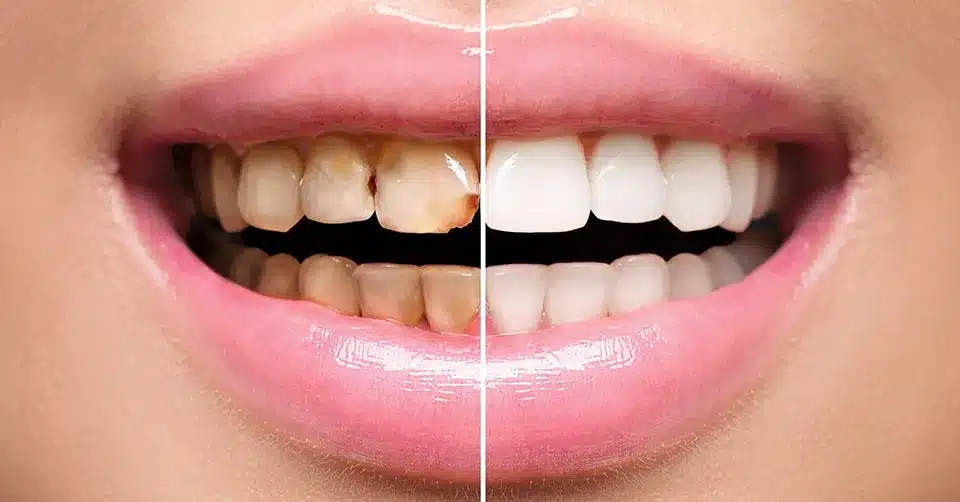
Early cavities might appear as white, chalky areas on your enamel – these are the demineralization spots that can be remineralized. As cavities progress, they can turn yellow, brown, or black. Larger cavities create holes or pits in your teeth. The appearance varies depending on the cavity’s location, age, and what’s been causing it.
Can You Feel a Cavity Forming?
Most people cannot feel a cavity forming in its early stages. Small cavities don’t cause any sensation until they’ve progressed significantly. By the time you feel sensitivity to cold, heat, or sweets, the cavity has reached deeper into the tooth. Some patients report feeling rough edges with their tongue or noticing that food gets stuck in certain spots more often, but many cavities develop without symptoms until they’re advanced.
What Is a Dental Filling?
A dental filling replaces lost tooth structure. At our practice, we use white, bonded filling materials – no silver amalgam fillings. The process involves removing the decay with precision instruments, then bonding tooth-colored material that’s sculpted and shaped to replace what was lost. I like to compare it to going to a nail salon – if nail technicians used tiny precision tools and worked inside your mouth.
Do Dental Fillings Hurt?
Properly done fillings should not hurt. Most fillings are placed while you’re numb, though smaller ones may sometimes be completed without anesthesia. If your filling hurts after the numbness wears off, something needs attention – either the filling requires adjustment or there’s another issue. If you have post-op sensitivity, it is important to return so we can prevent anything from escalating to something more painful. A correctly placed and adjusted filling should feel like nothing at all once you’re healed.
How Long Does a Filling Take?
An average filling takes about an hour from start to finish. This includes time for numbing (if needed), removing the decay, placing and shaping the filling material, and making final adjustments to ensure your bite feels comfortable. Smaller fillings might take 30-45 minutes, while larger, more complex fillings can take up to 90 minutes.
How Long Do Fillings Last?
With good oral hygiene and no grinding habits, a well-placed filling should last decades, potentially the rest of your life. However, if you grind your teeth, don’t maintain proper oral care, or develop new cavities around the filling, you may need earlier repairs. I have patients with fillings I placed fifteen years ago that are still functioning perfectly, and others who need attention within a few years due to poor maintenance or destructive habits.
What Types of Fillings Are There?
At our practice, we offer two main types of fillings. We use white, bonded composite fillings for most situations – these match your tooth color and bond directly to the tooth structure. For children or elderly patients in hard-to-access areas, we also have fluoride-releasing filling materials that can be placed in those difficult spots. We don’t place silver amalgam fillings, though many are still functioning well in patients’ mouths from previous dental work.
Can Fillings Fall Out?
Yes, fillings can fall out, especially if they develop new cavities around them or if you’re a grinder. Age can also cause fillings to loosen over time, particularly if the surrounding tooth structure becomes compromised. Most fillings that fall out do so because of new decay around the edges or because of excessive force from grinding or clenching habits.
Is It Safe to Replace Silver Fillings?
If a silver filling is failing or has decay around it, replacing it is safe. However, if the silver filling is in good shape and functioning well, I recommend leaving it alone. There’s no health benefit to replacing well-functioning silver fillings just because they’re silver. The decision should be based on the filling’s condition, not just its material.
What Should I Do If My Filling Falls Out?
Call our office immediately. If it happens after hours or on weekends, you can purchase temporary filling material from any pharmacy. This putty-like material can be mixed and pressed into the hole to protect the tooth until you can see us. Just don’t try to make this temporary solution permanent – I’ve seen some creative “permanent repairs” over the years that created bigger problems.
How Much Does a Dental Filling Cost Without Insurance?
Without insurance, fillings range from $250 to $500 in the Denver area, depending on the size and how many tooth surfaces are involved. A small filling on one surface costs less than a large filling that covers multiple surfaces of the tooth. Addressing a cavity early is always less expensive than waiting until it becomes a bigger problem requiring more extensive treatment.
The Bottom Line on Cavity Care
Cavities are preventable and treatable, but they require attention – they won’t resolve on their own. Early detection through regular checkups saves you time, money, and discomfort compared to waiting until problems become painful. Whether you need remineralization for early cavities or fillings for more advanced decay, modern dentistry offers excellent options to restore your oral health.
Have questions about a potential cavity or want to prevent future problems? Schedule a consultation at our Denver dental practice. I’m always happy to discuss the best approach for your specific dental health needs.