

By Dr. David Bryant, DDS – Denver, Colorado
One of the most common questions I hear in my dental practice is: “What toothbrush should I use?” Your toothbrush is the foundation of good oral hygiene, and choosing the right one can dramatically improve your dental health. As a practicing dentist in Denver, I want to share my professional insights to help you make the best choice for your specific needs.
Should I Use a Manual or Electric Toothbrush?
I’m strongly biased toward electric toothbrushes, and here’s why. While manual toothbrushes can work with perfect technique, electric toothbrushes make effective cleaning almost foolproof—you simply hold them in position and let them do the work. Electric toothbrushes include built-in timers for the recommended two-minute brushing time, pressure sensors to prevent damage from scrubbing, and advanced models offer Bluetooth connectivity and smartphone apps that can even gamify oral care for children.
Manual toothbrushes require more skill and attention to detail, but they’re perfectly adequate when used correctly. The key is maintaining proper technique throughout your entire brushing routine, which many people struggle with during their daily rush.
What Type of Bristles Should I Choose?
Always choose soft bristles, whether you’re using manual or electric. Hard bristles damage tooth enamel and irritate gums over time. Your toothbrush serves two purposes: cleaning tooth surfaces and gently massaging your gums to promote healthy blood flow. Think of brushing as a massage for your mouth, not aggressive scrubbing.
This principle applies universally—I’ve never recommended hard bristles to any patient in my practice. Soft bristles are effective at removing plaque while protecting your enamel and gum tissue from unnecessary trauma.
Which Electric Toothbrush Should I Buy?
There are two main types of electric toothbrushes: oscillating head brushes (like Oral-B) and ultrasonic brushes (like Philips Sonicare). Oscillating heads spin in circular motions, feeling similar to manual brushing, making them ideal for people transitioning to electric. My top recommendation is the Oral-B IO Series 3, available on Amazon for around $80.
Ultrasonic toothbrushes use high-frequency vibrations that clean beyond where bristles physically touch—a unique advantage for hard-to-reach areas. I recommend the Philips Sonicare 4100 for about $50 on Amazon. Fair warning: ultrasonic brushes feel very different from traditional brushing, almost ticklish at first, but most patients adapt quickly.
How Often Should I Replace My Toothbrush?
Replace toothbrush heads every three months for both manual and electric brushes. If you’re brushing twice daily as recommended, this timeline ensures optimal cleaning effectiveness. I also recommend Burst toothbrush as an alternative—they offer a subscription service that automatically sends replacement heads every few months, which many patients find convenient.
The major brands like Philips Sonicare and Oral-B have proven track records and wide availability at retailers like Costco and Amazon, making replacement parts easy to find long-term.
What’s the Proper Way to Brush My Teeth?
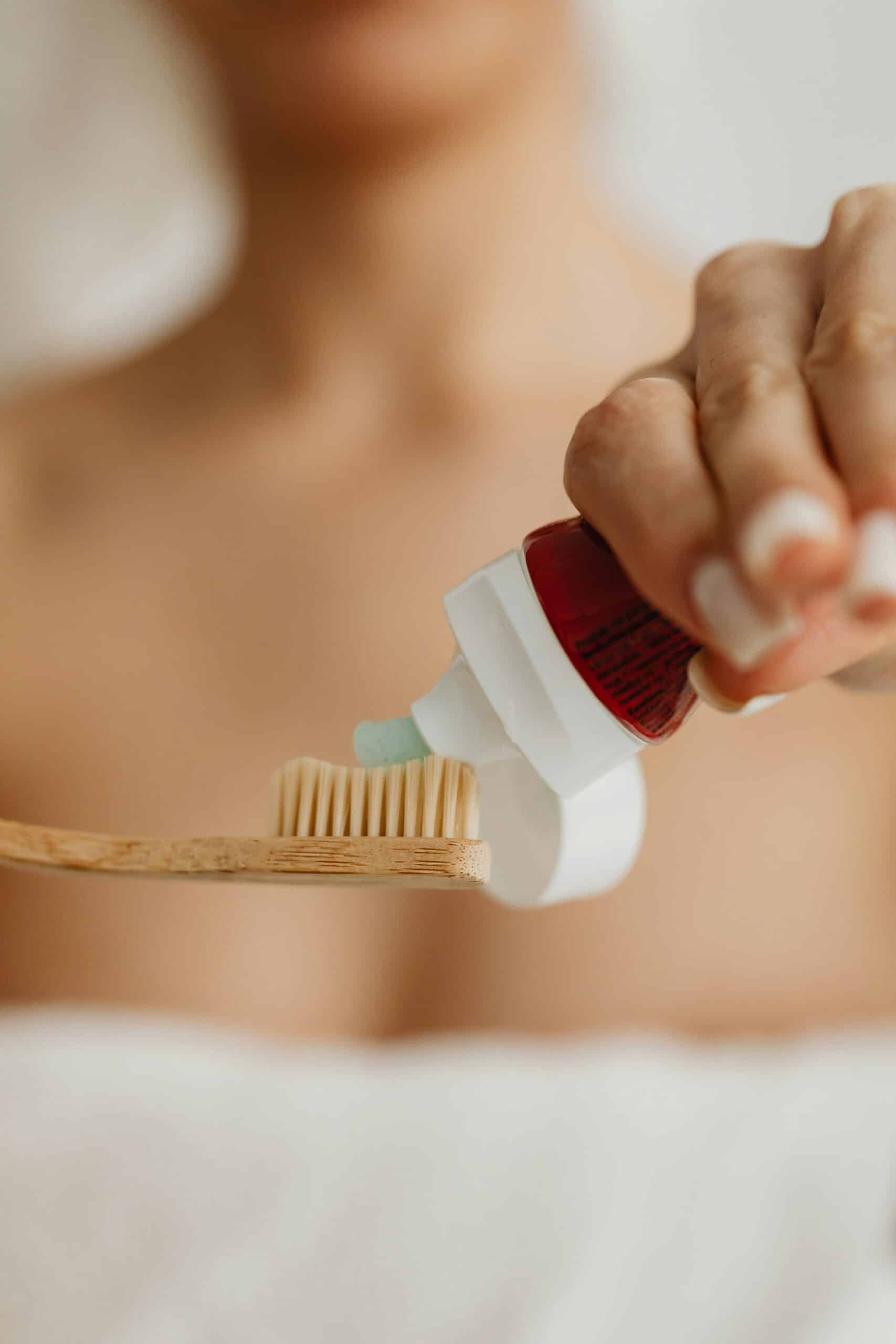
The correct sequence matters: floss first to loosen debris, wet your toothbrush lightly, apply a pea-sized amount of toothpaste, brush for two minutes using gentle circular motions, spit out excess, but don’t rinse with water afterward. This allows fluoride to continue strengthening your teeth.
For manual brushing, hold your toothbrush at a 45-degree angle toward your gums, not straight at your teeth. Make small circles around each tooth, spending one minute on top teeth and one minute on bottom teeth. A professional tip: hold your toothbrush vertically when cleaning the backs of your bottom front teeth—this area gives most people trouble.
How Long Should I Brush My Teeth?
Brush for exactly two minutes, twice daily—once after breakfast (or upon waking if you don’t eat breakfast) and once after your last meal before bed. Nobody wants food particles sitting on their teeth overnight. Don’t forget to floss daily, as brushing only cleans surfaces your toothbrush can reach, while floss removes debris from between teeth.
I also recommend brushing your tongue or using a tongue scraper like the Super Smile Ripple Edge Tongue Cleaner to reduce bacteria that cause bad breath. You can find three-packs on Amazon for around $9-10.
Should I Practice Mindful Brushing?
Here’s where I incorporate my mindfulness approach—I think of myself as a bit of a yogi and try to add mindful practices everywhere possible. Let your two minutes of brushing become an oral care meditation. Don’t multitask or scroll your phone while brushing. Be present and focus on each tooth, remembering you want them to serve you your entire life.
When people multitask and let muscle memory take over during mindless brushing, they’re much more likely to scrub aggressively, wearing grooves in teeth or traumatizing gums. Mindful, present-moment brushing naturally leads to proper gentle pressure and thorough attention to each area of your mouth.
Can I Brush My Teeth Too Much?
Yes, you absolutely can over-brush. Two to three times per day is perfect—more than that can damage your enamel and irritate your gums. The sweet spot is twice daily with thorough, gentle technique rather than frequent aggressive scrubbing.
If you eat lunch or snacks during the day, a third brushing session is fine, but beyond that you’re risking harm. The key is consistency and proper technique, not frequency.
When Should Children Start Brushing Their Teeth?
Start cleaning your child’s teeth as soon as their first tooth erupts around six months. Use a soft cloth or baby toothbrush initially. Around age 7, children can start brushing their own teeth, but they’ll need help and shouldn’t be trusted unsupervised until they’re much older.
Disclosing tablets or mouthwashes are incredibly helpful at this stage—they show exactly where plaque remains after brushing, turning oral hygiene into a visual learning experience. For toddlers under 3, use a rice-grain sized amount of fluoride toothpaste. After age 3, graduate to a pea-sized amount.
Can My Dentist Tell If I Haven’t Been Brushing Regularly?
Yes, absolutely. There are numerous signs of dental neglect, and they’re cumulative over time. Plaque buildup, gum inflammation, tartar formation, and overall tooth condition tell the complete story of your oral hygiene habits. We can distinguish between someone who missed a few days versus someone with chronic neglect patterns.
This isn’t about judgment—it’s about providing the best care possible. Please do brush regularly. Your daily habits directly impact your oral health for your entire lifetime.
How We’re Helping the Environment: Toothbrush Recycling Program
Here’s something I’m excited to share: our practice has partnered with Colgate to offer a special toothbrush and toothpaste tube recycling program. These dental products can’t go in regular recycling because they’re made from mixed materials, but when collected together, companies like Colgate can separate the nylon bristles from plastic handles for proper recycling.
Bring your old toothbrush heads, manual toothbrushes, and empty toothpaste tubes to our office, and we’ll send them to Colgate’s recycling program. It’s a small step that makes a real environmental impact—and it gives you another reason to replace your toothbrush every three months as recommended.
The Bottom Line on Toothbrush Selection
Both Oral-B and Philips Sonicare offer excellent electric toothbrushes that will significantly improve your oral care routine. Your choice comes down to personal preference: the familiar brushing sensation of oscillating heads versus the comprehensive cleaning power of ultrasonic technology. Either way, you’re taking an important step toward better oral health.
Note: I don’t sell toothbrushes in my practice—patients consistently found better prices online than I could offer, so I focus solely on providing honest recommendations.
Have questions about oral care? Schedule a consultation at our Denver dental practice. I’m always happy to discuss the best dental care routine for your specific needs.